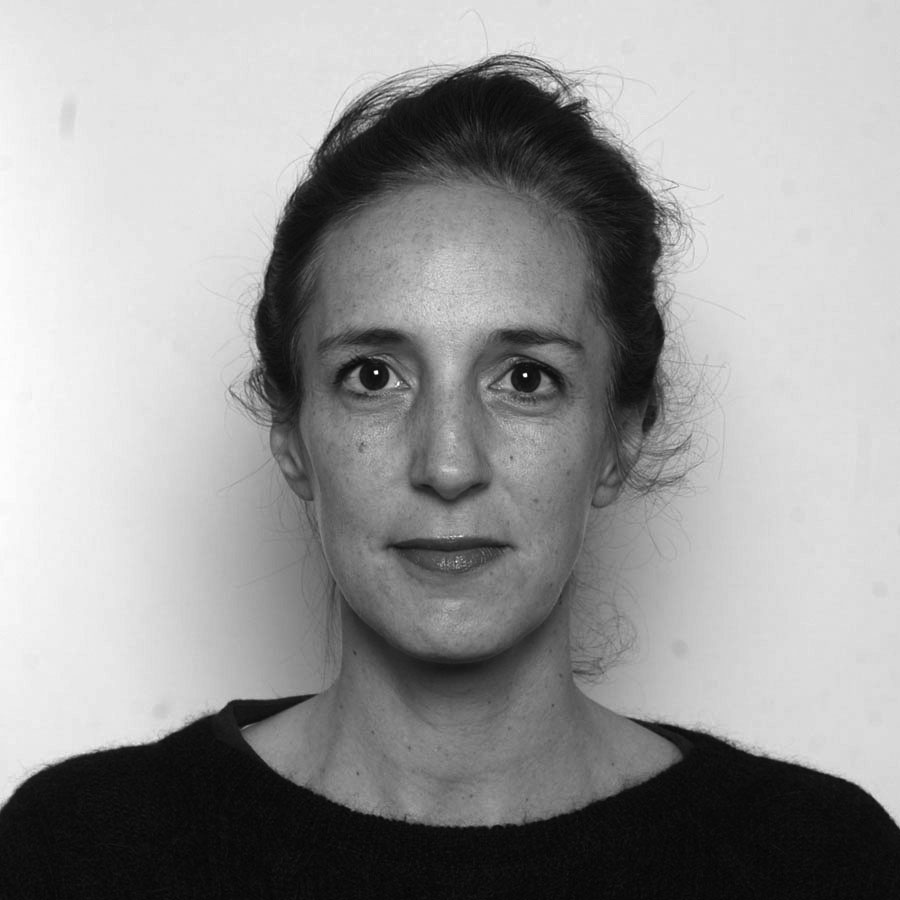
Directrice de recherche CNRS.
Presentation
Mes travaux portent sur l’histoire littéraire indienne, en particulier la poésie indienne contemporaine et les poètes et artistes de Bombay ; sur les « mondes » (culturels, linguistiques, imaginaires) que nombre d’œuvres indiennes habitent et inventent; sur les modernismes en contexte postcolonial ; sur la politique de la littérature et sur les cultures de l'imprimé postcoloniales.
Ces travaux s’élaborent à partir d’archives souvent méconnues, fragiles ou inédites et en dialogue avec écrivains indiens contemporains (Arvind Krishna Mehrotra, Adil Jussawalla, Karthika Naïr, Amit Chaudhuri, Perumal Murugan, etc.)
La manière dont certains récits et catégories canoniques (comme le « modernisme » ou le « cosmopolitisme ») ou certaines manières de penser l’histoire littéraire, peuvent être repensés depuis la perspective de textes et contextes indiens est l’une de mes préoccupations principales. Dans le sillage du projet (financé par l'AHRC et co-porté avec deux collèges d'Oxford et UEA) "Writers and Free Expression", j'ai aussi travaillé sur des questions plus directement politiques (liberté d’expression, censure, activisme, collectifs d'écrivains), avec un travail d’histoire intellectuelle sur la guerre froide culturelle en contexte postcolonial.
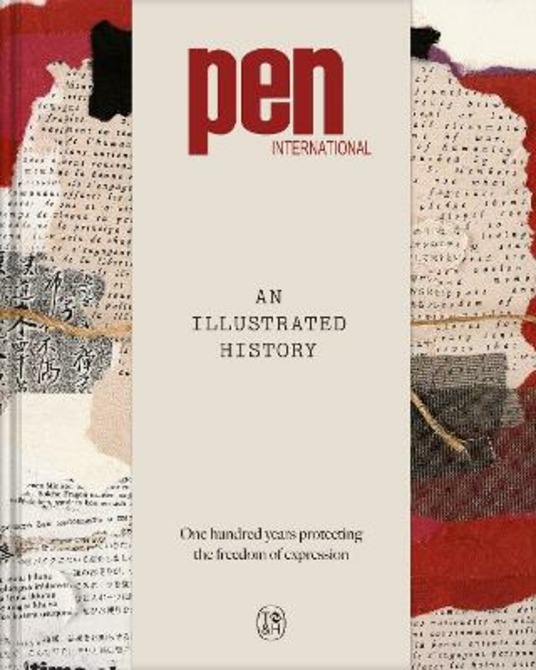
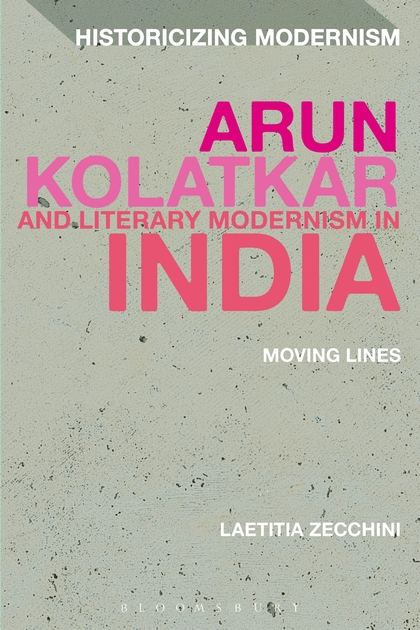
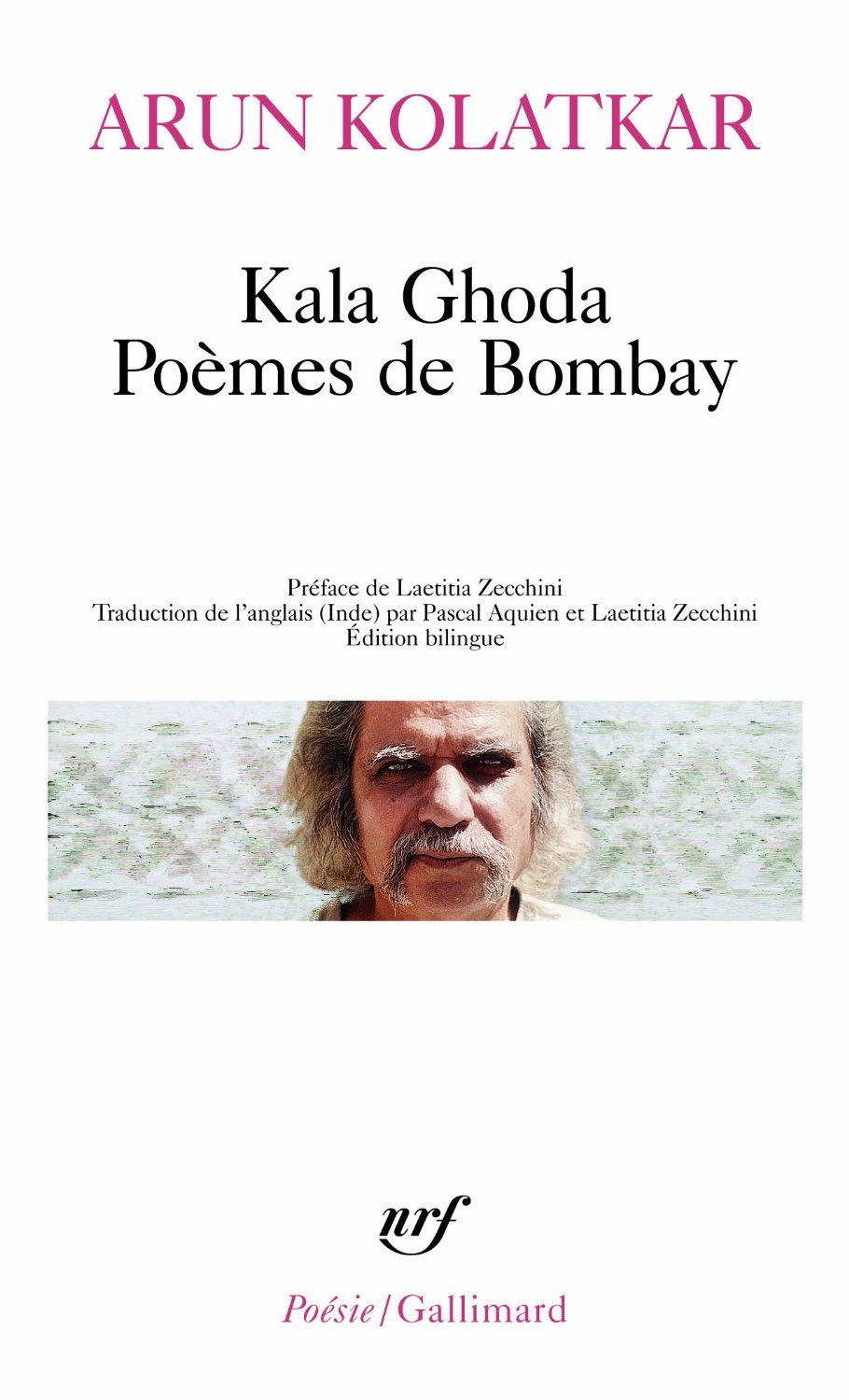
J’ai traduit, en collaboration, les poètes Karthika Nair (Le Nouvel Attila, 2024), Arun Kolatkar (Poésie/Gallimard, 2013), Kedarnath Singh (2007) et suis l’auteure de la première monographie sur Kolatkar, Arun Kolatkar and Literary Modernism in India, Moving Lines (Bloomsbury, 2014 / paperback 2016). J’ai également co-écrit ou co-dirigé 7 autres volumes, dont Pen International: Une Histoire Illustrée (Actes Sud 2021) et The Form of Ideology and the Ideology of Form: Cold War, Decolonization and Third World Print Cultures, (Open Book, 2022).
Je suis porteuse de l'International Research Network on Postcolonial Print Cultures (https://irn-postcolonial-print-cultures.org/) financé par l'INSHS (2023-27) et par l'EUR Translitterae (2023-24) et travaille à une monographie sur l'activisme littéraire en Inde.
Publications
-* Ouvrages (monographie, collectifs, traductions)
1. Arun Kolatkar and Literary Modernism in India, Moving Lines, New Delhi, London, New York: Bloomsbury, 2014 (paperback 2016).
Reviewed Times Literary Supplement, Sunday Guardian, Biblio : A review of Books, Journal of Postcolonial Writing, Modernism/Modernity, Postcolonial Text, Sanglap: Journal of Literary and Critical Inquiry, Cambridge Journal of Postcolonial Literary Enquiry, Internationales Asianforum
2. Pen International: An Illustrated History, co-écrit avec Ginevra Avalle, Jennifer Clement, Peter D. McDonald, Rachel Potter, Carles Torner, Motovun Group of International Publishers, 2021.
Ouvrage basé sur plus de 500 documents d'archives, et traduit en 8 langues dont le français (chez Actes Sud). Prix du meilleur livre de l'année à la foire du livre de Francfort en 2021.
3. The Form of Ideology and the Ideology of Form: Cold War, Decolonization and Third World Print Cultures, co-dirigé avec Francesca Orsini et Neelam Srivastava, Cambridge: Open Book Publishers, 2021.
4. "The Locations of (World) Literature: Perspectives from Africa and South Asia", co-dirigé avec Francesca Orsini, Journal of World Literature, Vol. 4: 1-2, 2019.
5. Décentrer le cosmopolitisme: Enjeux politiques et sociaux dans la littérature, co-dirigé. avec Guillaume Bridet, Xavier Garnier, Sarga Moussa, Dijon: Editions Universitaires de Dijon, 2019.
6. "The Worlds of Bombay Poetry", Journal of Postcolonial Writing, co-dirigé avec Anjali Nerlekar, Vol. 53, Issue 1-2, Routledge, 2017.
This double special issue is geared towards the larger cultural, linguistic, publishing and creative background against which we can read poets in English and in Marathi and towards the deep symbiotic culture between poets, visual and graphic artists, publishers, filmmakers or musicians in the 50s up to the 70s. It features new interviews with major literary and artistic practitioners of the time as well as key visual and textual documents.
7. "A partir de l'Inde", co-dirigé avec Guillaume Bridet, Littérature, 04/2016, Paris: Armand Colin, 2016.
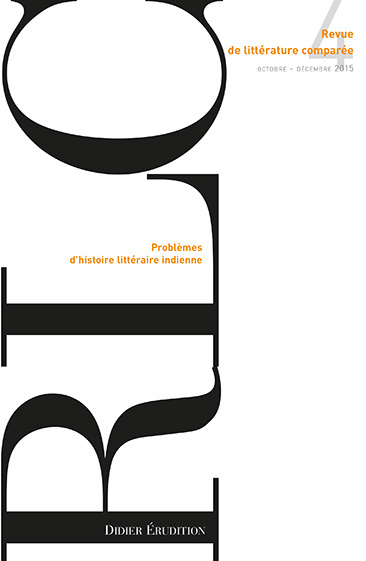
8. "Problèmes d'histoire littéraire indienne", co-dirigé avec Claire Joubert, Revue de Littérature Comparée, 04/2015, Paris: Klincksieck, 2015.
9. Kala Ghoda. Poèmes de Bombay, Traduction de l’anglais (avec Pascal Aquien), préface et notes du recueil d'Arun Kolatkar (Kala Ghoda Poems, 2004), Paris: Poésie /Gallimard, 2013.
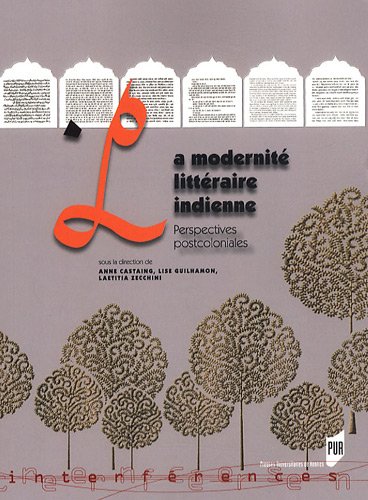
10. La modernité littéraire indienne : perspectives postcoloniales, co-dirigé avec Anne Castaing et Lise Guilhamon, Rennes: PUR, 2009.
11. Dans un pays tout plein d'histoires, Traduction du hindi (avec Annie Montaut) et préface d'un choix de poèmes de Kedarnath Singh, Paris : Editions Caractères, 2007.
-* Quelques articles et chapitres récents 2020-22 (voir cv pour liste complète)
- 'Struggles for Cultural Freedom in Cold War India: Fostering a Critical Spirit in the Liberal Journals 50s-70s', The Bloomsbury Handbook to Cold War Literary Cultures, ed. Greg Barnhisel, Bloomsbury Academic, 2022: 357-372.
- 'The Meanings, Forms and Exercise of ‘Freedom’: The Indian PEN and the Indian Committee for Cultural Freedom (1930s-1960s), in The Form of Ideology and the Ideology of Form: Cold War, Decolonization and Third World Print Cultures, Cambridge: Open Book Publishers, 2022:192-227.
- 'Archives of Minority: Little Publlications and the Politics of Friendship in Post-colonial Bombay', South Asia: Journal of South Asian Studies, 2022: 268-284
- "'What Filters Through the Curtain': Reconsidering Indian Modernisms, Little Magazines and Travelling Literatures in a Cold War Context", Interventions: International Journal of Postcolonial Studies, 2020: 172-194
- "Une ‘République des sentiments blessés’ ? : Censure(s), communautés vulnérables et guerres culturelles en Inde", Communications, in ‘Post-censure(s)’, 2020/1 (N°106), pp. 101-119
- "Hurt and Censorship in India Today: On Communities of Sentiments, Competing Vulnerabilities and Cultural Wars", in Emotions, Mobilisations and South Asian Politics, eds. Amélie Blom and Stéphanie Tawa Lama-Rewal, Routledge India, 2019, pp. 243-263.
- ''Translation as Literary Activism', 2020
Quelques interventions récentes (conférences et séminaires)
- "In conversation with Perumal Murugan", Opening the PEN Archive: 1921-2021, The Oxford Research Center in the Humanities, University of Oxford, 2022
- "Listening to Indian Poets: Explorations into Modernism as Struggle, « On Not Mentioning the Modern: the 7th Symposium on the Literary Activism Series », Calcutta / Ashoka University, Delhi 2022.
- "The Culltural Cold War and the Poetics of Postcolonial Modernism in India, Modernism Seminar, Mahindra Humanities Center, Harvard University, 2021
- 'Eating Away The Corners of World Literature': The Littleness and the Worldliness of Indian Magazines of the 1950s-70s, 'The Magazine and World Literature Webinar series, SOAS/ERC 'Multilingual Locals', 2020.
- "Art & Action: The Writers' Activism of PEN" (round-table with Margie Orford, Peter McDonald, Carles Torner, Rachel Potter), The Oxford Research Center in the Humanities, 2020.
PUBLICATIONS
_____________________________________________
Littérature indienne contemporaine (principalement poésie) ; Pensée postcoloniale; Modernités/modernismes; Politique de l'art & de la littérature; Censure & liberté d'expression; Guerre froide culturelle; Cosmopolitismes ; Little Magazines; Bombay/Mumbai ; print cultures
Current research :
-* Ouvrage Arun Kolatkar and Literary Modernism in India, Moving Lines (à paraître chez Bloomsbury Publishing, London, 2014)
-* Participation à EMOPOLIS (CEIAS/EHESS) : Emotions and Political Mobilizations in the Indian subcontinent (programme Emergences)
Projet dans le programme : «Culture under siege? Hurt, anxiety and censorship»
-* Programme de recherche avec Claire Joubert (Paris 8) en lien avec le Labex Arts-H2H sur l’histoire littéraire indienne: journée d'études «Problèmes d’histoire littéraire indienne» (20 avril 2013)
-* Co-organisation depuis janvier 2012 du séminaire commun d’ARIAS « Transculturalité des arts »
-* Co-organisation 2010-2012 d'un séminaire de recherche à l'ENS Ulm «Littératures et théories postcoloniales»
Communications
« Rethinking Modernisms from Postcolonial Indian Periodicals »
Laetitia Zecchini, « Worldly Modernisms: Indian little magazines and the transnational traffics of the 50s/60s »
Laetitia Zecchini, « About the International Network on Postcolonial Print Cultures and the Indian Writer as Archivist-Activist »
Laetitia Zecchini, « ‘editorial policy / open as hell’ : The Dissent and the Worldliness of Indian little magazines »
Laetitia Zecchini: « Listening to Indian Poets: Explorations into Modernism as Struggle »
L. Zecchini, « Activisme et littérature: quelques exemples à partir de l’Inde »
L. Zecchini, « The Cultural Cold War & the Poetics of Postcolonial Modernism(s) in India”
L. Zecchini: ‘PEN and Literary Activism: Colonial/Postcolonial/World’
‘Eating Away the Corners of (World) Literature: The Littleness and the Worldliness of Indian Little Magazines 1950s-70s
« The Coffee-brown Boy Looks at the Black Boy »: Guerre froide, lutte pour la liberté culturelle et solidarités transnationales « minoritaires » en Inde
« Bombay Poets, Indian Modernisms and the Cultural Cold War »
The Archive of Minority: « little » Publications and the Politics of Friendship in Postcolonial Bombay
Laetitia Zecchini, «How do we stop being somebody else’s image?: the struggle for cultural freedom and the poetics and politics of modernism in Cold War Bombay »»
« Drop-out » poets and dissenting artists : Clearing alternative spaces in the Indian little mags, small presses and ‘conspiracies’ of the ‘50s-‘70s
Discussion de la communciation de Devika Sethi: «The Floodgates of Mass Agitation: A history of the Living Biographies Controversy»
Discussion de l’intervention de Lise Landrin « Le théâtre de l’opprimé: Analyse d’une recherche-création dans le milieu rural népalais»
« »What filters through the curtain”: Reconsidering modernism, travelling literatures and little magazines in a Cold war context»
What Filters through the Curtain: Reconsidering Modernism, Travelling Literatures and Little Magazines in a Cold War Context
Echos du Mahabharata: la parole des silencés
Eating the corners of literature: Bombay Archival Research from the PEN All-India Center to Arvind Krishna Mehrotra
Laetitia Zecchini, De quelques manifestes littéraires en Inde
Laetitia Zecchini, « Bhakti beatniks? Contre-culture, traduction et poésie contemporaine »
Defamiliarizing India: Cosmopolitanism as aesthetic/political survival?
Hurt and Censorship in India Today: On communities of Sentiments, Competing Vulnerabilities and Cultural Wars
Laetitia Zecchini, Bhakti Beatniks and ‘drop-out’ poets: the Making of a Bombay Counter-Culture in the 60s
Laetitia Zecchini « Translation as literary activism: on invisibility and exposure, Arun Kolatkar and the little magazine ‘conspiracy' »
Laetitia Zecchini, Moving Lines: On Arun Kolatkar and Literary Modernism in India
Writing in the Presence of World Literatures: Translation and the Cosmopolitan Local
» ‘We the artist community of India, are deeply pained’: On communities of Sentiment and Competing Vulnerabilities »
Hurt and the ‘unsanitizable’: reflections on the poetry of Kolatkar and Dalit writers
Traduire une oeuvre littéraire indienne
Kala Ghoda. Poèmes de Bombay
Dé-orientaliser ou indigéniser l’histoire littéraire indienne? Sur les questions de « nativisme », de provincialisation et de traduction
Arun Kolatkar and Literary Modernism in India II: the many ‘cycles of give-and-take’ between languages
Arun Kolatkar and Literary Modernism in India
Arun Kolatkar and Literary Modernism in India I: the ‘Bombay scene’ in the 60s
L’espace de l’écriture et l’espace de la nation : Poésie, censure et hospitalité à Bombay
Modernism in Indian Poetry: A Paradigm for Emancipation, Recovery and Creative Out-of-placeness
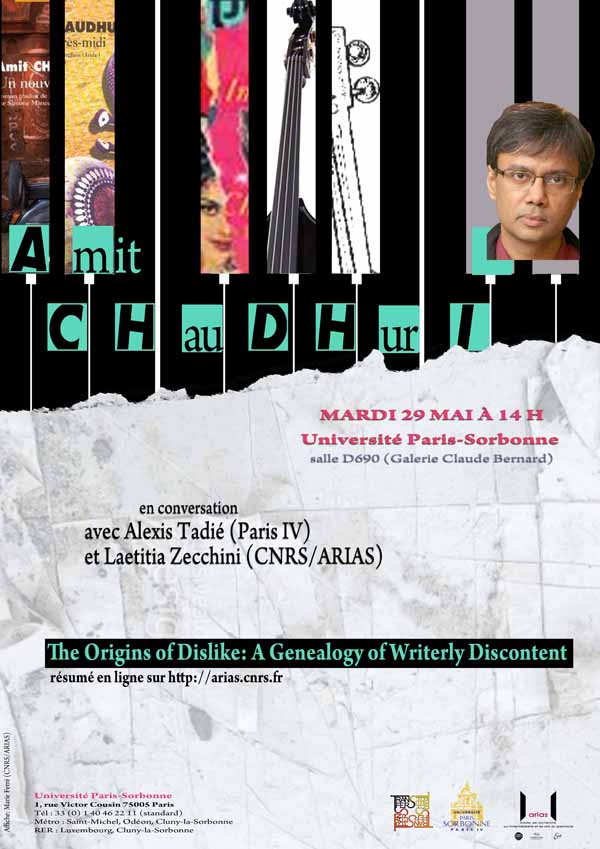
The Origins of Dislike: A Genealogy of Writerly Discontent
La poésie de Bombay: du lieu à la totalité-monde, du lieu à l’histoire, genèse et mémoire
L’invention du modernisme dans la poésie indienne : traductions, recréations et affiliations transnationales
Modernism in Indian poetry: “At the time, we didn’t dissociate between East and West, it was just part of Bombay”
Les littératures Dalit
Événements culturels
‘PEN International: An Illustrated History’ awarded Best Book of the Year at Frankfurt
L. Zecchini, « Transnational Literature Series: A conversation with Arundhathi Subramaniam, Karthika Nair, Amit Majmudar »
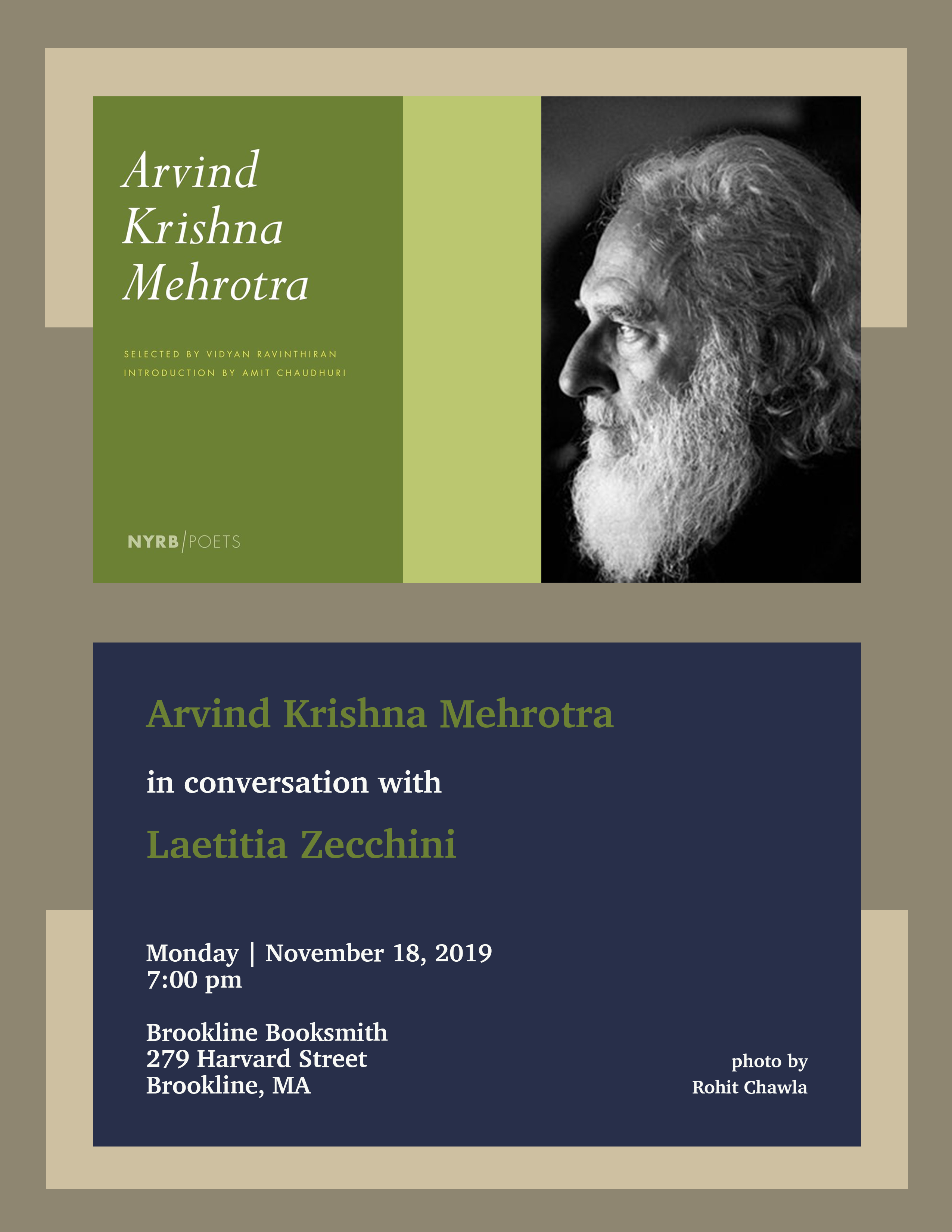
Arvind Krishna Mehrotra in conversation with Laetitia Zecchini
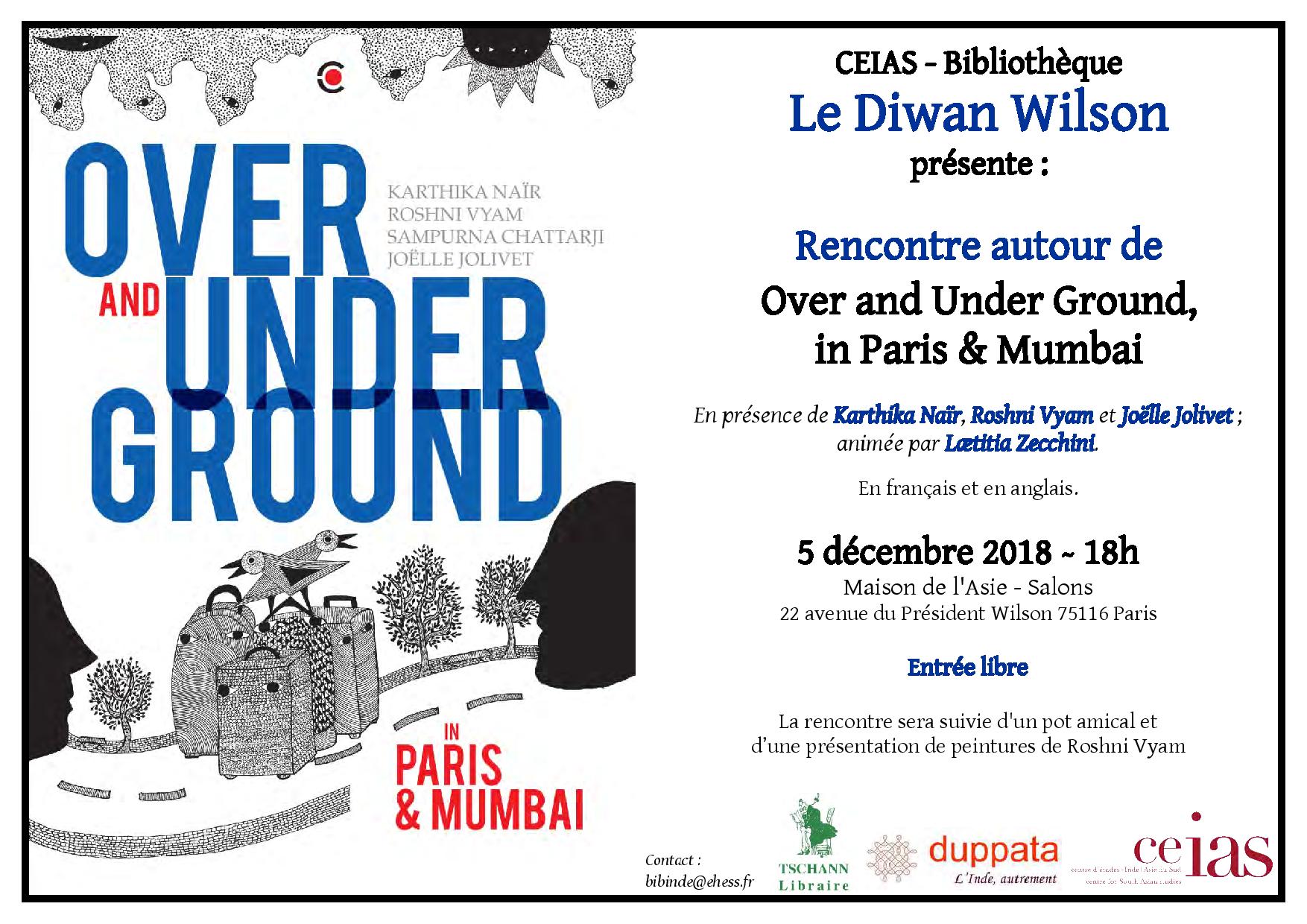
On Metro Lands: Over & Underground in Mumbai & Paris Recueil de poésie de Karthika Naïr et Sampurna Chatterjee, illustré par Joëlle Jollivet et Roshni Vyam
Amit Chaudhuri on « The Origins of Dislike »
L’Inde des Livres
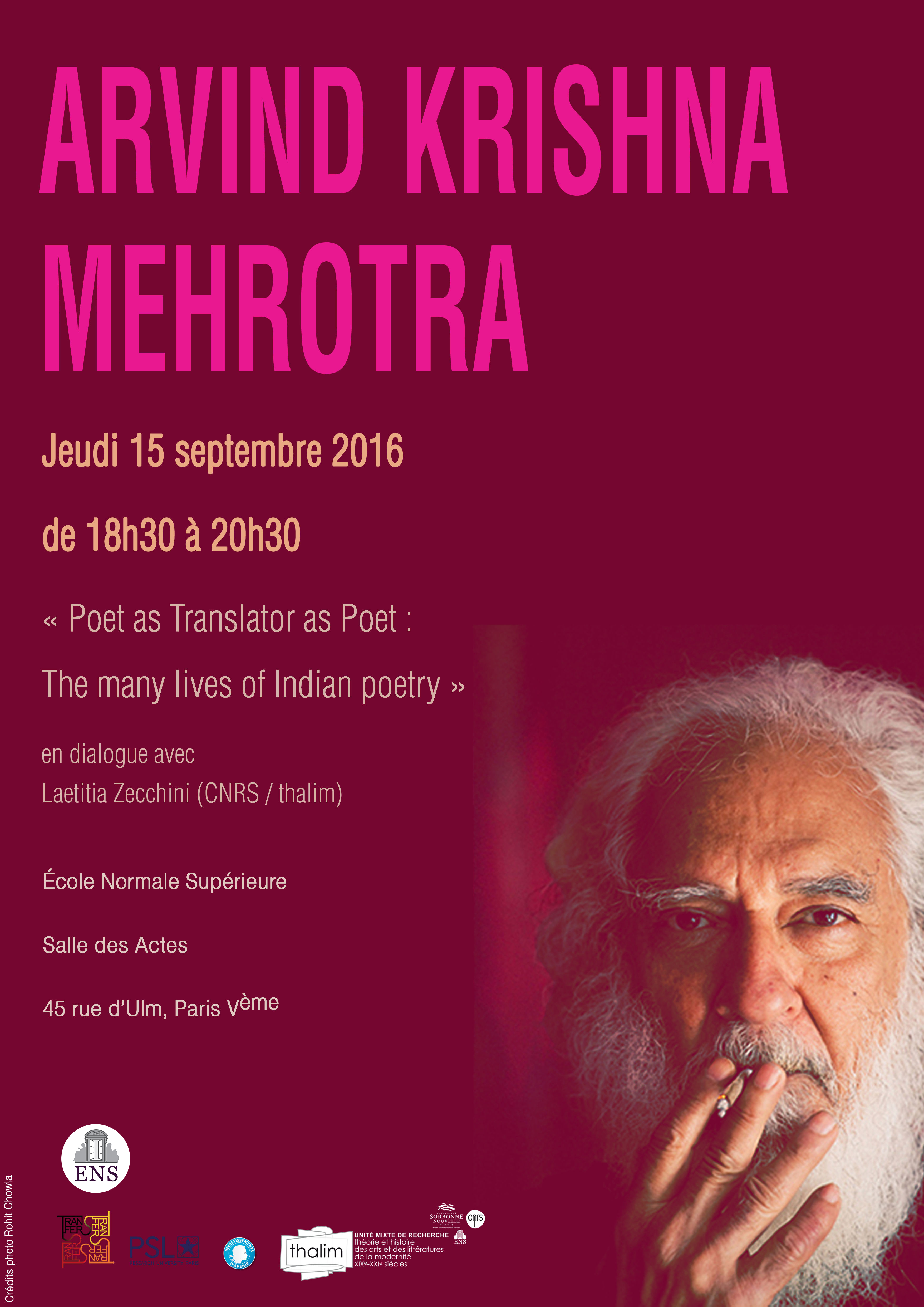
Poet as Translator as Poet : The many lives of Indian Poetry
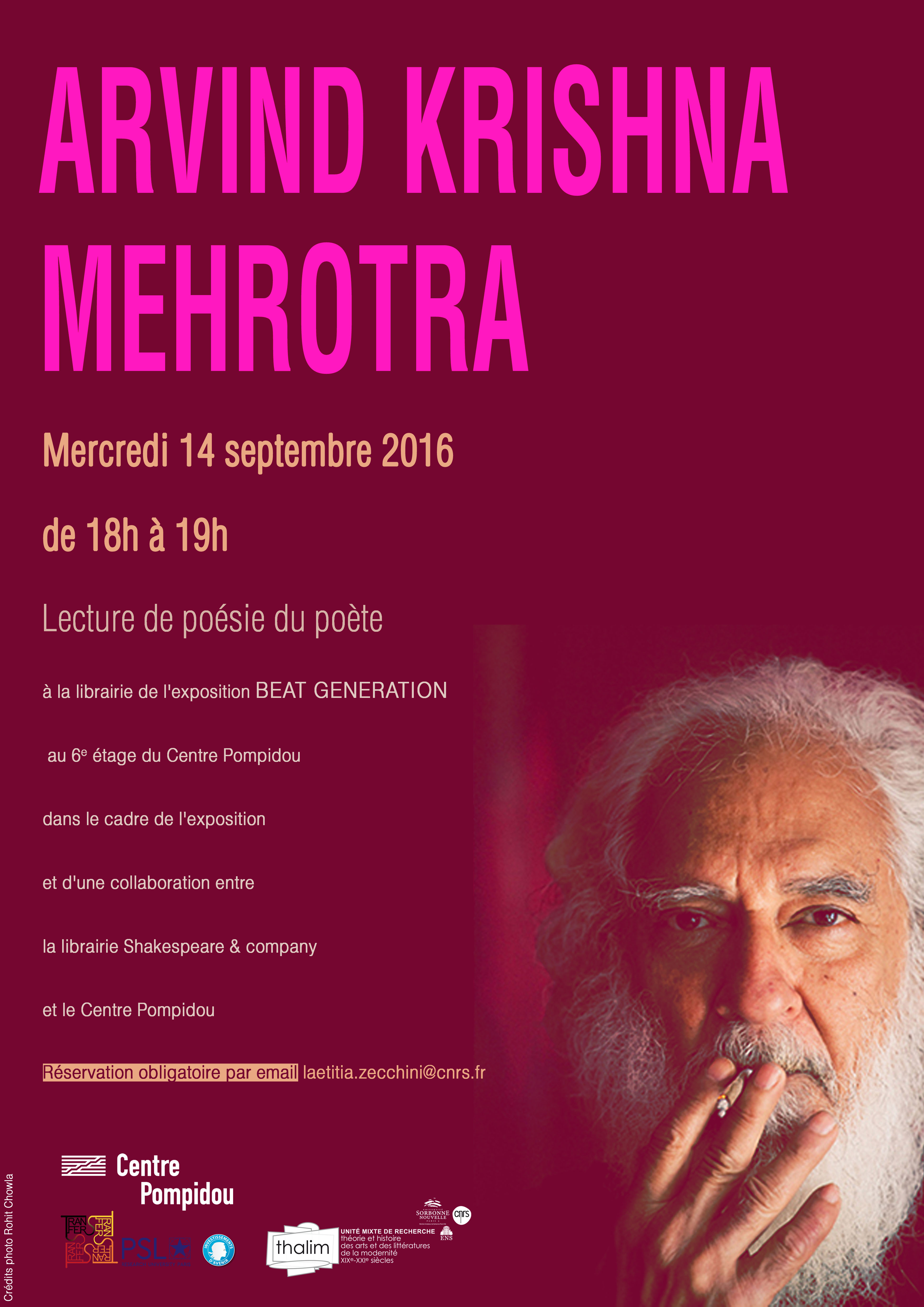
Lecture de poésie du poète Arvind Krishna Mehrotra
Karthika Nair en conversation avec Laetitia Zecchini
Salon « L’Inde des Livres »: Traduire la Poésie
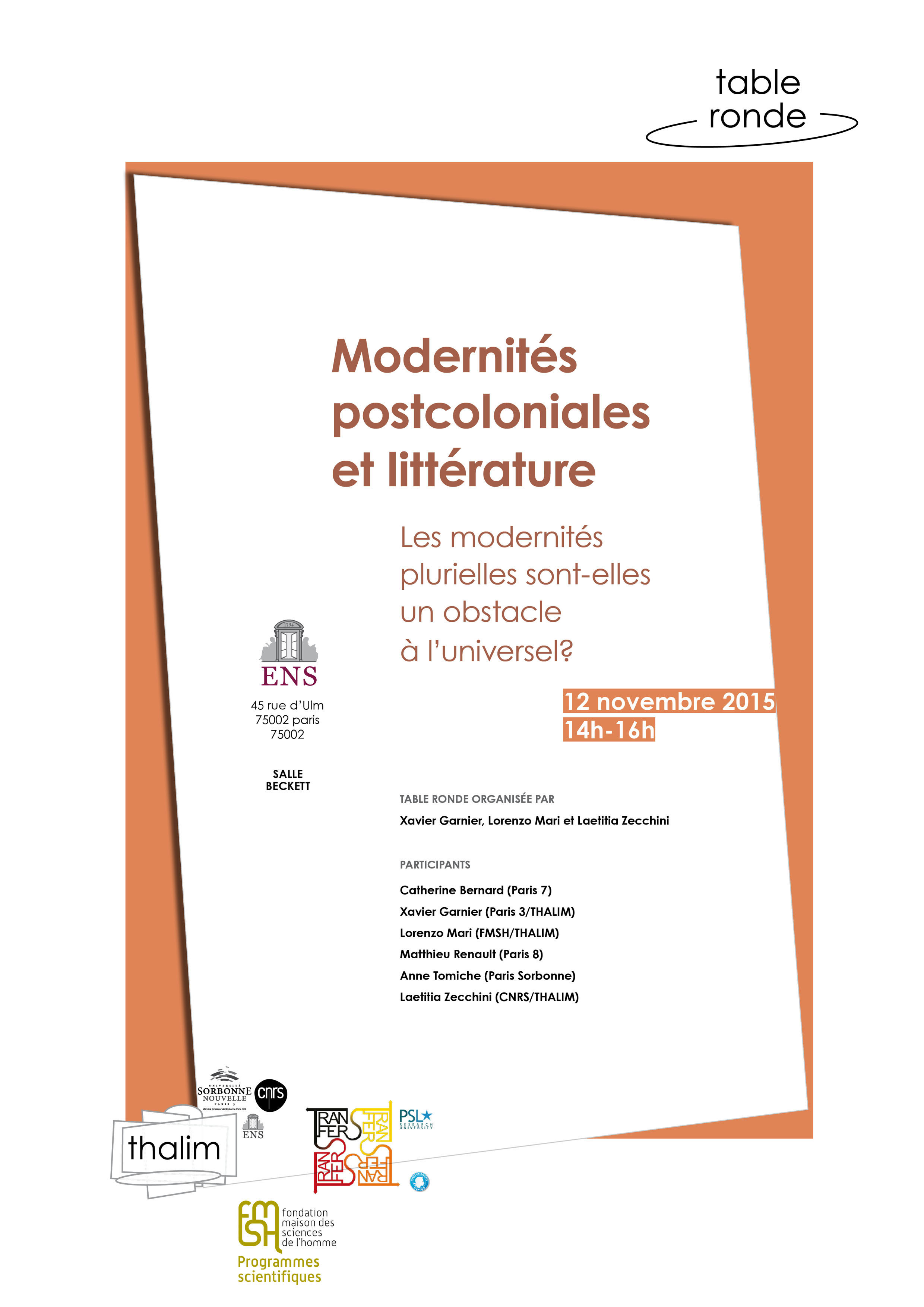
Modernités postcoloniales et littérature.
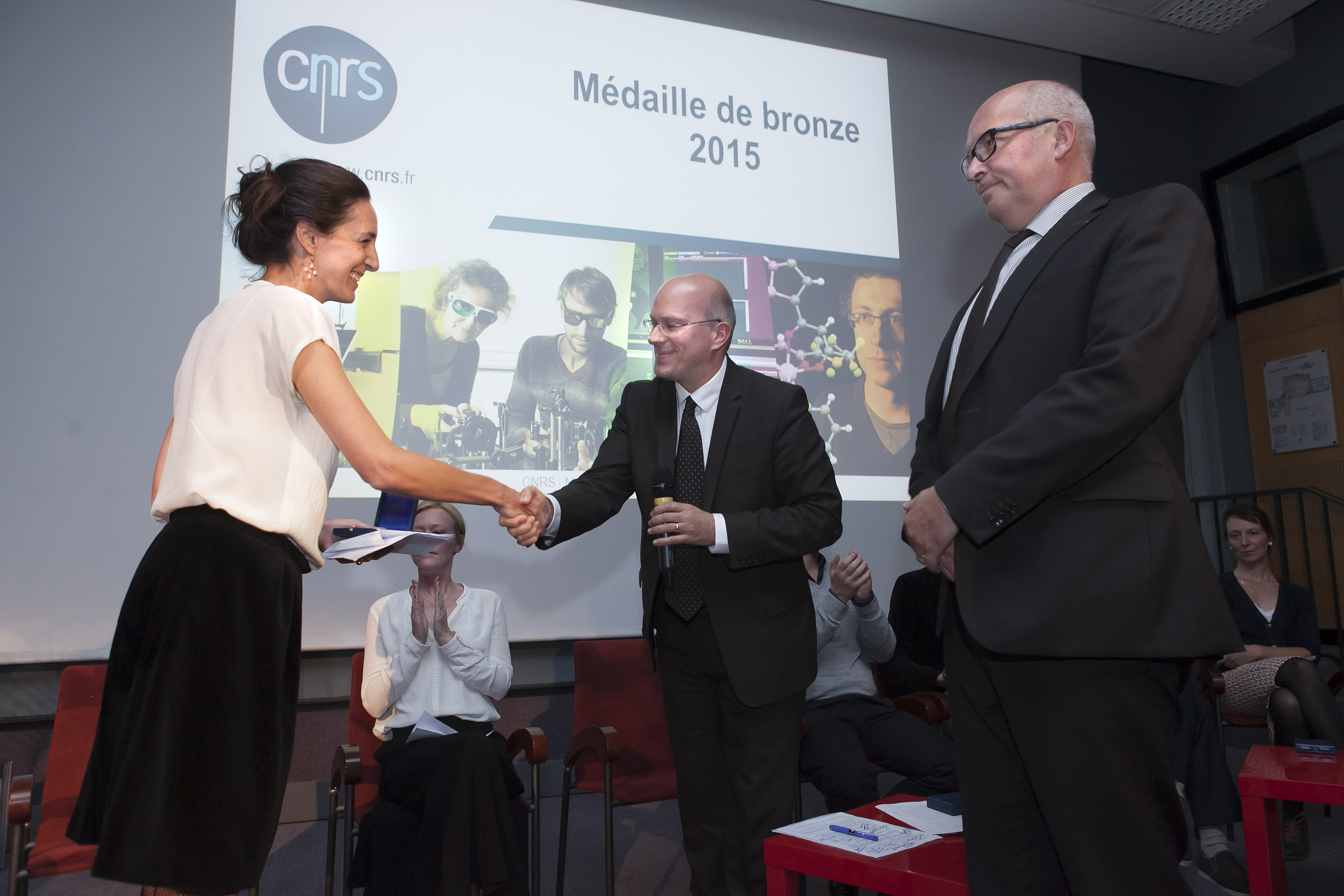
Médaille de bronze du CNRS 2015
Celebrating Arun Kolatkar
Colloques et journées d'études
Law and Print in Postcolonial Contexts : Censorship, Copyright and Piracy
« Print Cultures Before the Postcolonial »
Cultures de l’imprimé postcoloniales et Archives : Pratiques et Terrains, Méthodes et Enjeux

Opening the Pen Archive : 1921-2021. (avec Margaret Atwood, Tsitsi Dangarembga, Noo Saro-Wiwa, Perumal Murugan)
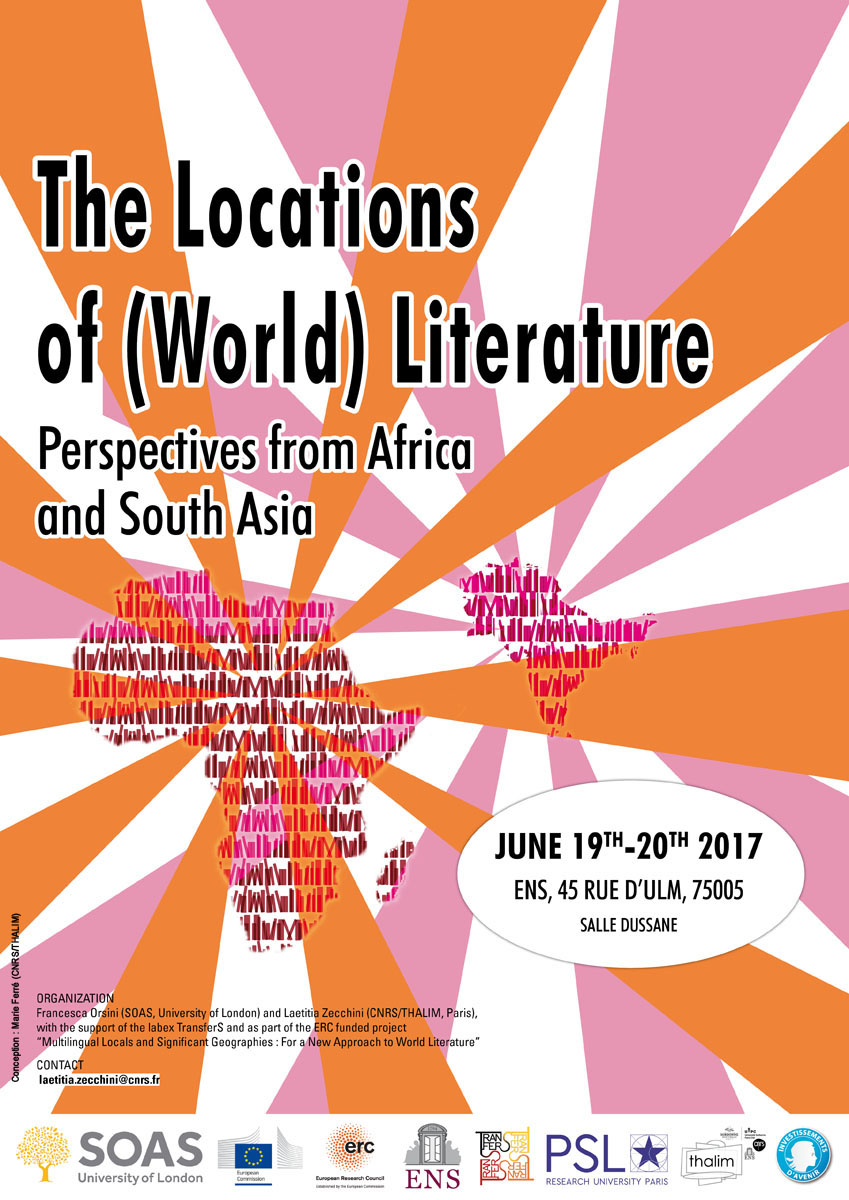
The Locations of (World) Literature: Perspectives from Africa and South Asia
Littérature et cosmopolitisme. Enjeux politiques et sociaux ? (XVIIIe-XXIe siècles)
Atelier « Pratiques et poétiques de la traduction » (labex TransferS)
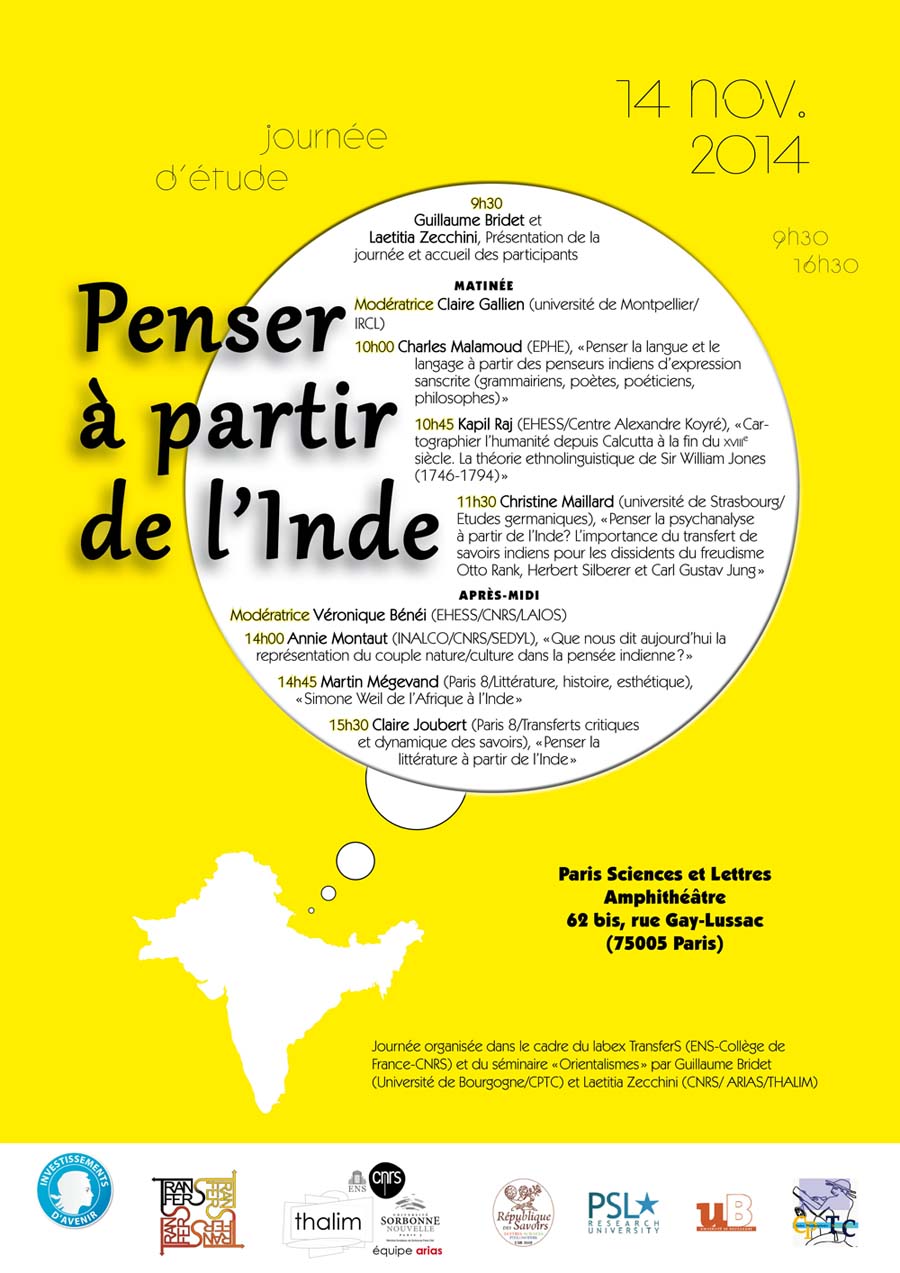
Penser à Partir de l’Inde
When Books and Art Hurt. Censorship, Emotions and Cultural Regulation in South Asia
Problèmes d’histoire littéraire indienne
Problèmes d’histoire littéraire indienne
Articles
Clearing a Space for Multiple, Marginal Voices: The Writers’ Activism of PEN
The Bloomsbury Handbook of Postcolonial Literary Cultures
Struggles for “Cultural Freedom” in Cold War India: Fostering a Critical Spirit in the Liberal Journals of the 1950s–1970s
Activisme et Littérature: Quelques exemples à partir de l’Inde
Practices, Constructions and Deconstructions of “World Literature” and “Indian Literature” from the PEN All-India Centre to Arvind Krishna Mehrotra
No Name is Yours until you Speak it »: Notes Towards a contrapuntal reading of Dalit literatures and Postcolonial Theory
Contemporary Bhakti Recastings: Recovering a demotic tradition, challenging nativism, fashioning modernism in Indian poetry
Modernism in Indian Poetry: « At the time, we didn’t dissociate between East and West, it was just part of Bombay »
Strangeness and Historicity against Nativism, Blurring the Frontiers of the Nation in Arun Kolatkar’s poetry
Séminaires
International Research Network on Postcolonial Print Cultures Online Seminar (2023-2025)
International Research Network on Postcolonial Print Cultures Virtual Seminar
Collectif «Penser d’ailleurs». Atelier de lecture Théorique
Transculturalité des arts
Transculturalité des arts
Littératures et théories postcoloniales
Littératures et théories postcoloniales
Médias
« Écrivains sans frontières » : Entretien avec Laetitia Zecchini
Festival des Ecrivains du Monde, Entretien avec Amit Chaudhuri
Entretien avec Amit Chaudhuri, Festival des Ecrivains du Monde
Rencontre autour de Arun Kolatkar
Émission sur France Culture « ça rime à quoi »
La modernité Littéraire Indienne: perspectives postcoloniales
Ouvrages
Revues et collections
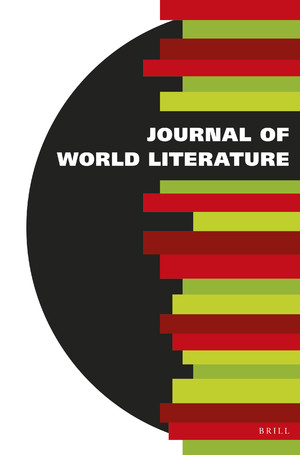
Numéro spécial de revue: The Locations of (World) Literature: Perspectives from Africa and South Asia
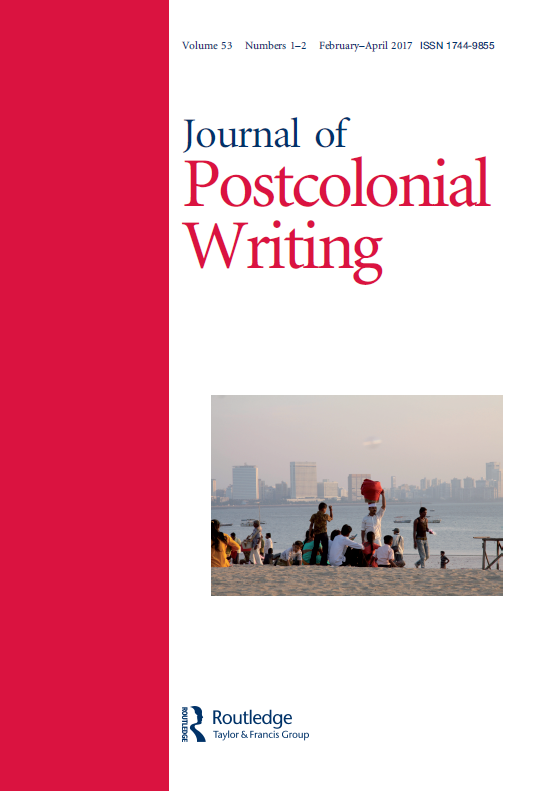
The Worlds of Bombay Poetry
A partir de l’Inde